

ในปัจจุบันนี้เรื่องของการผจญภัยนั้นก็เป็นเรื่องหนึ่งที่ดีและสำคัญกับเราเองอย่างมากเลยเพราะว่าในเรื่องของการผจญภัยนั้นก็เพื่อที่จะช่วยทำให้เรายิ่งเกิดความสุขและสบายใจกันอย่างที่สุด ดังนั้นเราจึงควรที่จะต้องอย่ามองข้ามผ่านในเรื่องนี้เลยเพราะอย่างน้อยการผจญภัยนั้นจะช่วยทำให้เราได้เปิดโลกกว้างและได้เรียนรู้อะไรใหม่ๆได้มากขึ้นด้วย เพราะทุกๆอย่างในเรื่องของการผจญภัยนั้นเป็นสิ่งที่สำคัญที่เราเองก็จะต้องใส่ใจดังนั้นเราจึงควรที่จะต้องรู้จักที่จะเลือกผจญภัยแบบที่ปลอดภัยที่สุดเพราะการที่เราผจญภัยแบบปลอดภัยนั้นก็จะทำให้อะไรต่างๆในชีวิตนั้นดีมากขึ้นและที่สำคัญก็ปลอดภัยต่อชีวิตของเราเองด้วย แล้วเราก็จะติดใจที่ได้ไปเที่ยวผจญภัยและได้ลองทำกิจกรรมใหม่ๆยิ่งขึ้นด้วยเรื่องเหล่านี้จึงเป็นเรื่องที่สำคัญกับเราเองอย่างมากเลย ดังนั้นเราจึงควรที่จะต้องหากิจกรรมการผจญภัยเล่นอย่างการขับรถเอทีวีที่ลุยโคลน ลุยทรายอันนี้ก็ถือว่าเป็นกิจกรรมที่สนุกอย่างหนึ่งเลยเพราะเราจะได้ขับรถในแบบที่เราเองก็ไม่เคยขับรถแบบนี้ที่ไหนมาก่อนด้วย การผจญภัยนั้นจึงเป็นสิ่งที่ดีที่จะช่วยทำให้อะไรในชีวิตที่เราเองก็ไม่เคยทำมาก่อนนั้นได้ทำแล้วได้ทำในสิ่งใหม่ๆได้อย่างมากด้วย ดังนั้นการที่เราได้ผจญภัยก็ถือว่าเป็นเรื่องที่ท้าทายกับเราเองได้อย่างที่สุดด้วย ทุกสิ่งทุกอย่างในเรื่องของการผจญภัยนั้นจะช่วยทำให้เราเติบโตมากขึ้นและแน่นอนหากเรารู้จักที่จะได้ลองทำอะไรใหม่ๆแล้วชีวิตของเราก็จะยิ่งก้าวขึ้นไปในทางที่ดีขึ้นด้วย อย่างน้อยเราก็ได้ทำสิ่งใหม่ที่ไม่ซ้ำจำเจด้วยแล้วเราก็จะสนุกที่ได้ทำกิจกรรมเอ้าท์ดอร์ที่สนุกๆแบบนี้ด้วย ทุกเรื่องราวในตอนนี้นั้นเป็นสิ่งที่ดีเพราะอย่างน้อยในตอนนี้นอกจากรถเอทีวีแล้วก็ยังมีสวนน้ำต่างๆให้เราเองได้เล่นหรือได้ผจญภัยด้วย การทำกิจกรรมเอ้าท์ดอร์จึงทำให้เรานั้นยิ่งมีความสุขและได้ท้าทายความแปลกใหม่ได้อย่างมากเลย และแน่นอนว่าเราก็จะยิ่งได้รับความประทับใจอย่างไม่มีวันจบเลยและสามารถที่จะเก็บความประทับใจนี้ไว้ในความทรงจำอีกด้วย เรื่องนี้เราจึงควรที่จะต้องอย่ามองข้ามผ่านเลยเพราะว่าสิ่งที่ดีๆจะได้เกิดขึ้นกับตัวเราเองแล้วเราก็จะยิ่งได้มีความสุขกับกิจกรรมเอ้าท์ดอร์ที่เราได้ทำด้วยนั้นเอง
Read More
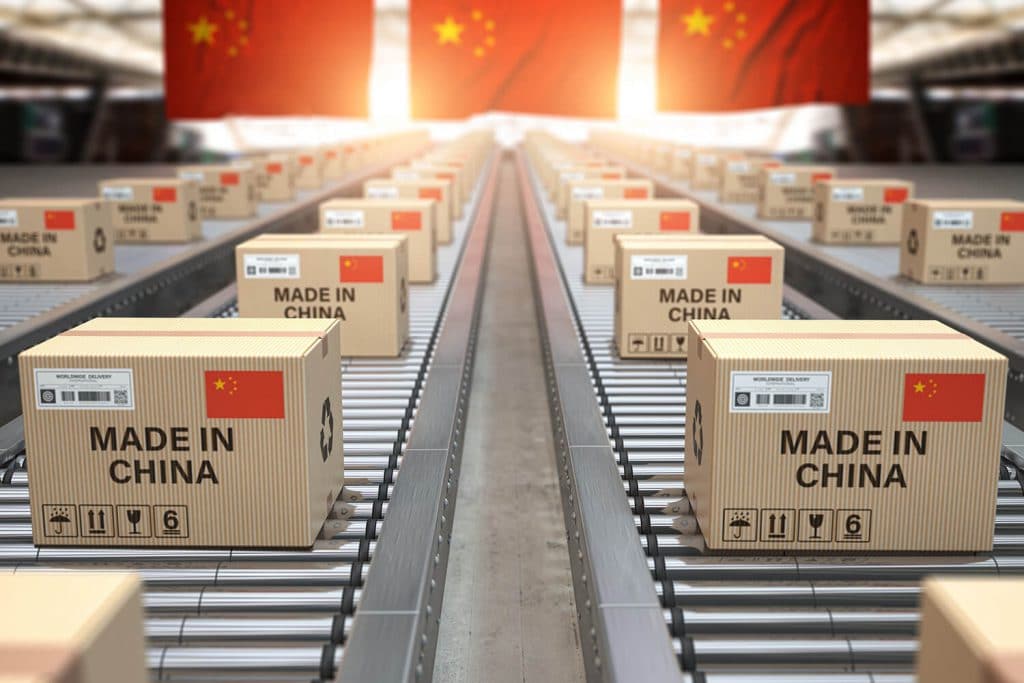
สำหรับคนที่อยากจะซื้อของจากจีน ไม่ว่าจะซื้อมาใช้เอง ขายต่อ หรือสร้างธุรกิจ แต่ไม่เก่งภาษาจีน กังวลว่าจะซื้อไม่ถูก ติดต่อหรือพูดดคุยกับแม่ค้าไม่ได้ เราขอแนะนำให้ใช้บริการชิปปิ้งเลย ปัญหาที่คุณกังวลจะหมดไป เพียงแค่บอกกับทางชิปปิ้งว่าอยากได้ของอะไร เป็นแบบไหน ปริมาณเท่าไหร่ แล้วก็จ่ายเงิน หลังจากนั้นก็รอขอที่มาส่งให้ถึงหน้าบ้านเลย แถมยังตัดปัญหาเรื่องการจ่ายภาษี และหากมีปัญหากับทางร้านค้าที่จีนทางชิปปิ้งก็เป็นคนเคลียร์ให้ด้วย และบอกเลยว่าจะสั่งเป็นชิ้นหรือสั่งประมาณมากๆ จนเต็มตู้คอนเทนเนอร์ก็สามารถสั่งผ่านชิปปิ้งได้ และนี่คือ 4 ชิปปิ้งจีนที่ใช้ง่าย สะดวก ปลอดภัยที่อยากแนะนำให้คนที่อยากจะซื้อของจากจีนแต่ไม่เก่งภาษาจีนได้ใช้กัน ชิปปิ้งจีนคนกลางที่จะเป็นตัวช่วยในการซื้อของจากจีนของคุณนั้นเป็นเรื่องที่ง่ายดาย สะดวกสะบาย และรับรองเลยว่าปลอดภัยชัวร์ เพราะสามารถตรวจเช็คและติดตามสินค้าผ่านออนไลน์ได้ตลอดเวลาเลย หรือจะตรวจเช็คผ่าน Line และตั้งค่าแจ้งเตือนสถานะพัสดุก็ได้ ราคาค่าบริการเริ่มต้นที่ 49 บาทเท่านั้นเอง และหากยิ่งซื้อเยอะยิ่งถูก เหมาะกับทั้งซื้อในมาใช้เอง หรือซื้อมาเพื่อทำธุรกิจ และระบบการขนส่งนั้นเป็นการขนส่งทางบกหรือทางรถนั่นเอง ระยะเวลาอยู่ที่ 5-7 วัน ชิปปิ้งที่ให้บริการซื้อของจากจีนในเว็บไซต์จีนชื่อดัง ไม่ว่าจะเป็น Taobao Tmall 1688 โดยไม่คิดค่าบริการการสั่งซื้อ สามารถซื้อได้ทั้งแบบส่งและแบบปลีก เลือกใช้บริการตามที่ต้องการเลย ลูกค้าสามารถตรวจสอบพัสดุได้ตลอดเวลา รวดเร็วและประหยัดเวลามาก พร้อมส่งของโดยตรงถึงหน้าบ้าน มีการขนส่งสองแบบคือทางรถและทางเรือ โดยทางรถราคา 59 บาท/กิโลกรัม […]
Read More
ในปัจจุบันเราสามารถนำเข้าสินค้าจากจีนได้ง่ายมากกว่าแต่ก่อนมาก เนื่องด้วยมาตรการของรัฐบาลที่สนับสนุนการค้าระหว่างประเทศเพื่อกระตุ้นเศรษฐกิจ จึงทำให้มีข้อตกลงระหว่างประเทศอาเซียน 10 ประเทศเพื่อยกเว้นภาษีนำเข้าในสินค้าบางรายการ ซึ่งเป็นผลดีต่อผู้ประกอบการที่ต้องการนำเข้าสินค้าจากจีนมาขายในประเทศไทย และอย่างที่รู้ประเทศจีนมีโรงงานการผลิตที่มีต้นทุนต่ำ สินค้ามีให้เลือกหลากหลาย ยิ่งซื้อสินค้าในปริมาณมาก ส่งผลให้ต้นทุนต่ำลงไปอีก อีกอย่างมีสินค้าครอบคลุมเกือบทุกชนิด โดยประชากรในประเทศจีนมีเยอะที่สุดในโลกจึงทำให้โรงงานในประเทศจีนผลิตสินค้าออกมาเพื่อตอบสนองคนในประเทศตัวเอง ด้วยเหตุนี้ทำให้เหล่าพ่อค้าแม่ค้าที่ต้องการนำเข้าสินค้าจากจีนมาขายพลอยได้รับผลประโยชน์จากสินค้าที่หลากหลายไปด้วย โดยลูกค้าสามารถเลือกสินค้าผ่านเว็บไซต์ที่น่าเชื่อถือ อย่างเช่น Taobao Tmall 1688 และAlibaba ซึ่งเป็นเว็บไซต์ยอดนิยมที่ผู้คนทั่วโลกต่างเข้ามาทำการซื้อขายที่เว็บไซต์เหล่านี้สร้างกำไรอย่างมหาศาลให้กับเหล่าพ่อค้าแม่ค้ากันอย่างทั่วหน้า หรือหากคุณไม่รู้ขั้นตอนการสั่งซื้อ ก็สามารถใช้บริการชิปปิ้ง หรือที่เรียกว่าตัวแทนนำเข้าสินค้าแทนลูกค้า ซึ่งจะเป็นคนดำเนินงานนำเข้าสินค้าจากจีน ทุกขั้นตอนแทนลูกค้าเอง และที่ PS Sport Cargo เรามีเจ้าหน้าที่ผู้เชี่ยวชาญคอยดูแลทุกขั้นตอน ตั้งแต่ขนส่งสินค้าจากจีน นำเข้าสินค้าจากจีน สั่งซื้อสินค้าจากจีนผ่านชิปปิ้ง บริการครบ จบทุกขั้นตอน ขนส่งด่วนที่สุด 5 วัน จากจีนถึงไทย ส่งตรงถึงหน้าบ้าน และคุณสามารถเลือกได้ว่าต้องการให้ขนส่งสินค้าผ่านทางเรือหรือรถก็ได้ขึ้นอยู่กับความต้องการของลูกค้าเอง ข้อดีของการนำเข้าสินค้าจากจีน ผ่านชิปปิ้งของ PS Sport Cargo ทางชิปปิ้งของ PS Sport Cargo จะเป็นคนสั่งสินค้า และชำระเงินให้กับร้านค้าจีนให้ ง่ายสะดวกและรวดเร็วเพียงคุณส่งรูปหรือรายละเอียดของสินค้าที่ต้องการ ทางชิปปิ้งจะเป็นคนสั่งให้คุณเอง ทางชิปปิ้งจะเป็นผู้ดำเนินการด้านเอกสารในการนำเข้าสินค้าจากจีนแทนลูกค้าทุกขั้นตอน […]
Read More
อย่างที่ทุกคนทราบกันดีว่า การหางานในยุคนี้ไม่ใช่เรื่องที่ทำได้ง่ายเลย เพราะด้วยปัจจัยหลายอย่างที่เกิดขึ้นจึงส่งผลทำให้การหางานทำยากขึ้นกว่าเดิมมาก ๆ ในส่วนขององค์กรที่ต้องการรับสมัครพนักงานเองก็ไม่ใช่ว่าจะหาผู้ที่เหมาะสมกับองค์กรเข้ามาทำงานได้ง่าย ๆ เนื่องจากไม่เพียงแค่จะต้องเลือกบุคคลที่ตรงกับความต้องการเท่านั้น อีกทั้งยังต้องผ่านขั้นตอนมากมายกว่าที่จะคัดเลือกบุคคลเข้าทำงานในองค์กรให้สำเร็จได้ แต่ทั้งนี้สิ่งที่สำคัญในการที่จะสามารถที่จะดึงดูดให้มีผู้คนเข้ามาสมัครงานได้มากที่สุด ก็ขึ้นอยู่กับเรื่องของเงินเดือน และสวัสดิการต่าง ๆ ขององค์กร การรับสมัครพนักงานกับเงินเดือน และสวัสดิการที่ต้องระบุให้ชัดเจน ปฏิเสธไม่ได้เลยว่าการทำงานนั้น นอกจากทุกคนจะอยากได้ทำการที่ตัวเองชอบ หรือถนัดแล้ว เรื่องของเงินเดือน และสวัสดิการก็เป็นสิ่งสำคัญที่ทุกคนให้ความสำคัญกันมากด้วยเช่นกัน เพราะเงินเป็นสิ่งที่จะมาช่วยในเรื่องของการดำเนินชีวิตหลาย ๆ ส่วน หากว่าไม่มีเงินแน่นอนว่าก็จะต้องเกิดความลำบากขึ้นกับชีวิตได้ จึงไม่ใช่เรื่องแปลกเลยที่เมื่อเราสมัครงานนอกจากที่จะดูคุณสมบัติแล้ว ก็ยังต้องดูอีกว่างานนั้นที่จะสมัครให้เงินเดือนมากน้อยแค่ไหน หากว่าเงินเดือนสูงก็จะทำให้ผู้สมัครสนใจ และอยากที่จะสมัครมากขึ้น แต่หากว่าเงินเดือนน้อยกว่างานที่ต้องทำ แน่นอนว่าคนที่สนใจสมัครก็มีน้อย นอกจากเรื่องของเงินเดือนจะมีความสำคัญมาก ๆ แล้ว ในเรื่องของสวัสดิการที่องค์กรจะให้ก็สำคัญเช่นกัน เพราะการที่เราทำงานให้กับองค์กรใดสักที่หนึ่ง เราพยายามทำอย่างเต็มที่ เราจึงหวังว่าอยากที่จะได้รับการดูแลจากองค์กรบ้าง นอกจากเงินเดือนที่ต้องให้แล้วสวัสดิการอื่น ๆ ก็จำเป็นต้องมีด้วย ทั้งนี้หากว่าองค์กรใดมีสวัสดิการที่ไม่ดีมากพอ ก็อาจจะให้ผู้ที่สนใจจะสมัครงานนั้นมีน้อยลงอย่างแน่นอน จากที่กล่าวมานี้เองจึงทำให้เห็นได้เลยว่า การประกาศรับสมัครพนักงานสักครั้งหนึ่งนั้น ไม่เพียงแค่จะบอกถึงตำแหน่ง หรือคุณสมบัติของผู้สมัครที่ต้องการเท่านั้น ยังต้องบอกถึงรายละเอียดในเรื่องของเงินเดือน และสวัสดิการให้ผู้สมัครได้ทราบด้วย นั่นก็เพื่อให้ผู้สมัครได้รู้ว่าตัวเองมีความพึงพอใจมากน้อยแค่ไหน หรือยอมไหมที่จะตกลงกับเงินเดือน และสวัสดิการแบบนี้ ทั้งนี้บริษัท หรือองค์กรที่รับสมัครก็จำเป็นจะต้องระบุทั้งสองเรื่องนี้ให้ชัดเจน และตรงไปตรงมา ไม่หลอกลวงผู้สมัคร […]
Read More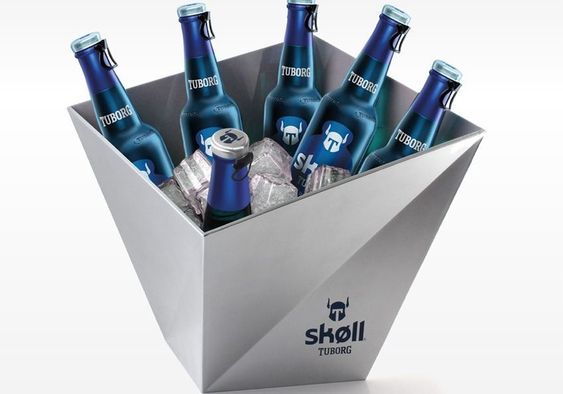
ทุกๆ ธุรกิจล้วนแล้วแต่มีเป้าหมายในการทำงาน ไม่ว่าจะทำธุรกิจอะไร เจ้าของธุรกิจต้องการยอดขายและกำไรที่เพิ่มสูงขึ้น จึงต้องมีกลยุทธ์ต่างๆ นานา โดยเฉพาะการโฆษณาประชาสัมพันธ์ที่ขาดไม่ได้เลย ทุกวันนี้เราเห็นโฆษณาออนไลน์เยอะแยะเต็มไปหมด แต่ใครจะไปคิดว่าการโฆษณา ณ จุดขาย กลับมีผลตอบรับที่ดีเกินคาด วันนี้เราจะพาทุกคนมาทำความรู้จักกับ Point of Sale Merchandise และความสำคัญ จะน่าสนใจแค่ไหร ตามไปหาคำตอบกันเลย Point of Sale Merchandise คืออะไร Point of Sale Merchandise คือ สื่อส่งเสริมการขาย ณ จุดขาย เป็นกลยุทธ์ทางการตลาดที่ทำ ณ จุดขาย เพื่อกระตุ้นความสนใจของลูกค้า ทำให้สินค้าดูโดดเด่น จนนำมาสู่การตัดสินใจซื้อในที่สุด รายละเอียดที่อยู่ในสื่อส่งเสริมการขาย ณ จุดขายนั้น ส่วนนมากเป็นการนำเสนอโปรโมชั่น นำเสนอสินค้าหรือบริการใหม่ๆ นำเสนอแคมเปญ ฯลฯ ปัจจุบันหลายๆ แบรนด์ได้เริ่มหันมาให้ความสนใจกับกลยุทธ์นี้มากขึ้น Point of Sale Merchandise สำคัญอย่างไร สร้างการจดจำแบรนด์ Point […]
Read More
ของพรีเมี่ยมในธุรกิจนั้นเป็นอีกหนึ่งในวิธีการปิดการขาย หรือ การรักษาฐานลูกค้าที่ดี และ เป็นวิธีที่มีการใช้งานกันอย่างแพร่หลายอย่างมาก และ ในการเลือกของแถม หรือ ของพรีเมี่ยมจาก บริษัทรับทำของพรีเมี่ยม เองก็มีความแตกต่างในการเลือกกันด้วยเช่นกัน ขึ้นอยู่กับว่าลูกค้าที่เราต้องการจะให้ของพรีเมี่ยมนั้นเป็นลูกค้าประเภทใด ยกตัวอย่างเช่น ลูกค้าราชกาลเองก็จะต้องเลือกของพรีเมี่ยมที่ไม่เหมือนกับลูกค้าประเภท โรงงานอุตสาหกรรมด้วยเช่นกัน ดงันั้นเราจะมาดูกันว่า ลูกค้าประเภทราชกาลนั้นเราจะเลือกของพรีเมี่ยมได้แบบไหนกกันบ้าง กระบอกน้ำ กระบอกน้ำนั้นไม่ว่าจะผ่านไปนานขนาดไหนก็ตามก็ยังมีการใช้งานได้อย่างแน่นอน เพราะว่าสามารถที่จะใช้ประโยชน์ได้จริง และ ที่สำคัญนั้นสามารถใช้ได้ทุกคนแน่นอน เป็นของพรีเมี่ยมที่มีการอำนวยความสะดวกได้ดีมากยิ่งขึ้นอย่างมาก พร้อมทั้ง ราคา ต้นในการผลิตจาก บริษัทรับทำของพรีเมี่ยม ก็ไม่สูงด้วยเช่นกัน ปากาก ปากกากนั้นเป็นหนึ่งในของพรีเมี่ยมที่เรียกว่าเรานั้นจะต้องเจอกับทุก ๆ งาน อย่างแน่นอน ด้วยการใช้งานที่สามารถใช้ได้จริง พร้อมทั้งต้นทุนในการผลิตที่ไม่มากเกินไป และ รวมทั้งในเรื่องของ จำนวนที่เยอะ พร้อมทั้งใช้ต้นทุนที่น้อย นั้นจึงทำให้ ปากกานั้นเป็นอีกหนึ่งใน ของพรีเมี่ยมที่ค่อนข้างจะพบเห็นได้หลากหลายงานอย่างมาก และ มีให้เลือกหลากหลายแบบด้วยเช่นกัน สมุดโน้ต สมุดโน้ตนั้นก็เป็นอีกหนึ่งในของพรีเมี่ยมที่ตีคู่มากับปากกาอย่างแน่นอนเพียงแต่ว่าในการเลือกสมุดโน้ตนั้นเราอาจจะต้องเลือกขนาดที่เล็ก หรือ พอดี มือไว้ก่อน เพื่อที่จะทำให้ สามารถพกพาไปไหนมาไหนได้ง่าย เพราะว่าหากว่าสมุดโน้ต เล่มใหญ่เกินไป อาจจะไม่มีความสะดวกในการพกพา และ […]
Read More
ในการเลือกซื้อความคุ้มครองประกันรถยนต์แต่ละคนที่เลือกซื้อก็จะมีเหตุผลที่แตกต่างกันออกไปแต่สำหรับใครที่ยังไม่แน่ใจว่าจะตัดสินใจเลือกซื้อรูปแบบความคุ้มครองประกันรถยนต์ให้กับตัวเองและคนที่คุณรักดีหรือไม่วันนี้เรามาดูเหตุผลที่ช่วยทำให้คุณตระหนักถึงความสำคัญในการมีประกันรถยนต์ให้มากขึ้นเพื่อที่จะช่วยทำให้คุณตัดสินใจเลือกซื้อความคุ้มครองประกันรถยนต์ที่คุณดังได้อยู่นี่ได้ง่ายและเห็นถึงความสำคัญของการเลือกซื้อประกันรถยนต์อย่างจริงจัง เอาเป็นว่าสำหรับใครที่กำลังหาเหตุผลในการเลือกซื้อประกันรถยนต์ก็ลองตามเราเข้าไปดูกันได้เลย ทำไมจะต้องเลือกซื้อ ประกันรถยนต์ เป็นเรื่องที่ทราบกันดีอยู่แล้วว่ารูปแบบความคุ้มครองประกันรถยนต์นั้นเป็นกรมธรรม์พี่ไม่ได้บังคับซื้อขึ้นอยู่กับความสนใจและความต้องการของผู้ขับขี่เองว่าจะเลือกซื้อรูปแบบความคุ้มครองประกันรถยนต์ให้กับตัวเองและรถยนต์ที่คุณรักดีหรือไม่ไม่นอนหรอเนื่องจากรถยนต์แต่ละคันมีพรบหรือประกันรถยนต์ภาคบังคับอยู่แล้วซึ่งอาจจะยังไม่เห็นความสำคัญของการเลือกซื้อประกันรถยนต์เหล่านี้ดังนั้นวันนี้เรามีเหตุผลที่ช่วยทำให้คุณตัดสินใจเลือกซื้อรูปแบบความคุ้มครองประกันรถยนต์ได้ง่ายมากขึ้นมาฝาก แน่นอนว่ารูปแบบความคุ้มครองให้คุณจะได้รับจากประกันรถยนต์จะให้ความคุ้มครองที่มากกว่าพรบทั่วไปหากเกิดปัญหารถยนต์เกิดอุบัติเหตุหรือเหตุการณ์ไม่คาดฝันตลอดจนความเสียหายที่ทำให้รถยนต์ของคุณได้รับความเสียหายการเลือกซื้อประกันรถยนต์จะเข้าให้ความคุ้มครองและดูแลทำให้คุณประหยัดเงินที่จะจ่ายค่าชดเชยความเสียหายหรือค่าดูแลรักษาซ่อมแซมรถยนต์ได้อีกหนึ่งช่องทาง ในส่วนของราคาเบี้ยประกันรถยนต์ในปัจจุบันนี้ไม่ได้แพงอย่างที่คุณคิดยิ่งประกันรถยนต์ชั้น 1 ถ้าคุณเข้ามาใช้บริการเปรียบเทียบราคาเบี้ยประกันกับ mrkumka จะช่วยทำให้คุณประหยัดเงินในการเลือกซื้อความคุ้มครองได้มากขึ้นแถมยังได้รับรูปแบบการปกครองที่ครอบคลุมและดีที่สุดไปใช้งานอีกด้วย ช่องทางการเลือกซื้อประกันรถยนต์ในปัจจุบันมีหลากหลายช่องทางแต่เพื่อเพิ่มความสะดวกสบายในการเลือกซื้อรูปแบบความคุ้มครองดีมากขึ้นคุณสามารถเข้ามาใช้บริการเลือกซื้อประกันรถยนต์กับเว็บขายประกันรถยนต์ออนไลน์ mrkumka ที่มีหลากหลายรูปแบบความคุ้มครองให้คุณได้เลือกซื้อเพื่อที่จะช่วยทำให้คุณเลือกซื้อรูปแบบความคุ้มครองที่ตอบโจทย์และตรงกับความต้องการมากที่สุด นี่เป็นส่วนหนึ่งของข้อดีของการมีประกันรถยนต์หากใครกำลังลังเลใจหรือยังไม่แน่ใจว่าจะเลือกซื้อรูปแบบความคุ้มครองประกันรถยนต์ดีหรือไม่ในเบื้องต้นสามารถเข้ามาดูรายละเอียดของรูปแบบความคุ้มครองแต่ละประเทศเพื่อที่จะช่วยทำให้คุณมีเหตุผลในการตัดสินใจเลือกซื้อรูปแบบความคุ้มครองประกันรถยนต์ได้เพิ่มมากขึ้น
Read More
ไหน ใครอยากรู้บ้างว่าแบรนด์ไหนเอ่ยที่เป็นแบรนด์ที่ขายดีที่สุดในร้านรับซื้อกระเป๋ามือสอง บอกเลยว่าบทความนี้มีคำตอบ ซึ่งอย่างที่ทราบกันดีว่าร้านรับซื้อกระเป๋ามือสองนั้นเป็นร้านที่รวมกระเป๋ามือสองแทบทุกแบรนด์มารวมกัน ฉะนั้น การจะให้มองด้วยตาเปล่าว่าแบรนด์ไหนฮิตแบรนด์ไหนฮอตควรค่าแก่การซื้อก็คงจะยากไป ดังนั้น บทความนี้เราจึงได้รวบรวมแบรนด์ที่ขายดีที่สุดในร้านรับซื้อกระเป๋ามือสองมาฝาก ว่าแต่แบรนด์ที่ขายดีที่สุดในร้านรับซื้อกระเป๋ามือสองที่เรานำมาฝากจะมีแบรนด์ไหนบ้างนั้น ต้องตามาดูกันเลย รวมแบรนด์ที่ขายดีที่สุดในร้านรับซื้อกระเป๋ามือสอง แบรนด์ที่ขายดีที่สุดในร้านรับซื้อกระเป๋ามือสอง แบรนด์ที่ 1 คือ Chanel สำหรับกระเป๋าแบรนด์ชาแนลถือเป็นที่สุดของผู้หญิงที่คุณที่ใฝ่ฝันอยากจะมีไว้ครอบครอง เพราะนอกจากชื่อแบรนด์ที่บ่งบอกถึงความหรูหราได้แล้ว ดีไซน์ของกระเป๋ายังเป็นเอกลักษณ์ สะพายแล้วยังดูเป็นไฮโซและมีรสนิยมสุด ๆ รับรองใครเห็นก็ต้องอิจฉาแน่นอน แต่ด้วยคุณภาพและแบรนด์ดังขนาดนี้ แน่นอนว่าราคาก็ต้องไม่ธรรมดา สนนราคาอยู่ที่ตั้งแต่หลัก 30,000 ไปจนถึงหลัก 100,000 กันเลยทีเดียว แบรนด์ที่ขายดีที่สุดในร้านรับซื้อกระเป๋ามือสอง แบรนด์ที่ 2 คือ Louis Vuitton อีกหนึ่งกระเป๋าแบรนด์ดังระดับโลกที่สาว ๆ อยากมีไว้เป็นเจ้าของ เรียกได้ว่าเป็นกระเป๋าแบรนด์เนมที่ได้รับความนิยมสูงมากในประเทศไทยเลยทีเดียว ซึ่งนอกจากแบบถือที่มาแรงแล้ว เขาก็ยังทำแบบเป้ออกมาเอาใจคุณสาว ๆ อีกด้วย ซึ่งก็เรียกได้ว่าสวยหรูไม่แพ้กันเลย แถมยังมีขนาดกะทัดรัด ไม่เล็กและไม่ใหญ่จนกินไป สะพายแล้วกำลังดี หรูหราไฮโซมาก ๆ เลยล่ะ สนนราคาอยู่ที่ประมาณ 50,000-100,000 บาท และแบรนด์ที่ขายดีที่สุดในร้านรับซื้อกระเป๋ามือสอง แบรนด์ที่ […]
Read More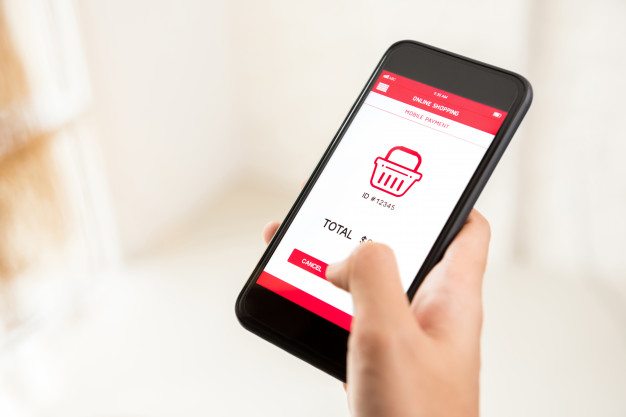
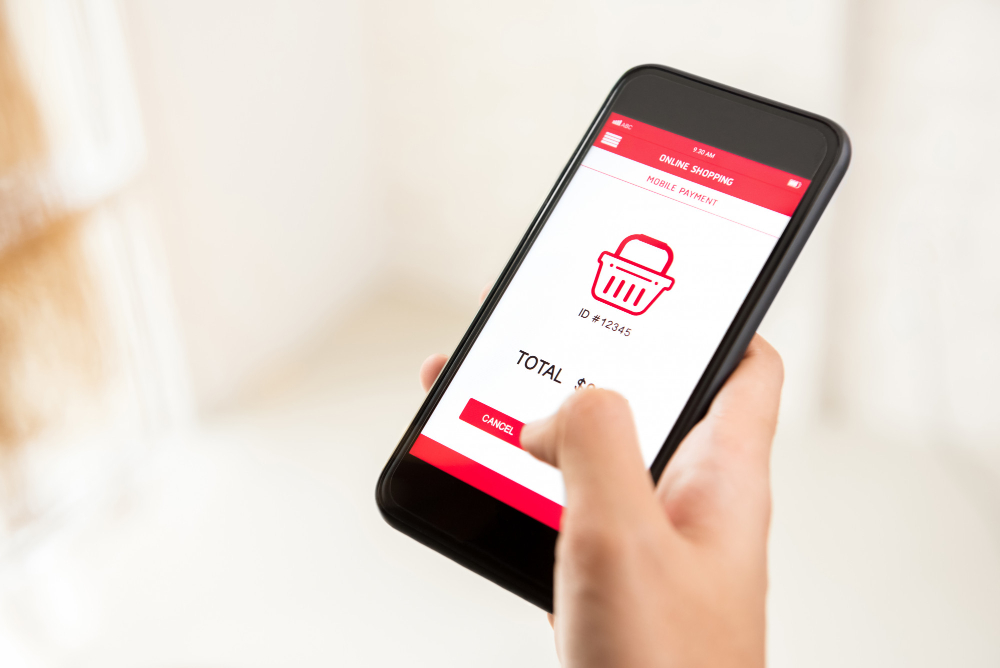
ห้ามพลาด Mid Year Sales ที่กำลังมาถึง ในเร็ว ๆ นี้จะมีข่าวดีสำหรับนักชอปใครที่ชอบ Shopping ออนไลน์ ลาซาด้ามีจัด Mid Year Sales ที่มีสินค้าต่าง ๆ มากมายลดราคาไม่ว่าจะเป็นข้าวของเครื่องใช้ เสื้อผ้า กระเป๋า รองเท้า ขนม มีหมดทุกอย่างให้เราได้เลือกสรรกันในราคาที่ถูกกว่าเดิม เอาใจสายนักชอปกันสุด ๆ ทำให้เราไม่ต้องซื้อของในราคาเต็ม หากว่าใครกำลังมีสิ่งของที่ต้องการ กำลังเพ่งเล่ง จับตามองอะไรกันไว้อยู่ ก็ถึงเวลาแล้วที่จะมาซื้อกัน ถือโอกาสนี้มา Shopping กันได้ที่จัด Mid Year Sales เพราะว่าจะได้พบกับสินค้าที่ลดราคาแบบคาดไม่ถึงเนื่องในโอกาสมิดเยียร์เซลล์นี้ และอย่าลืมที่จะชอปออนไลน์กันอย่างมีสติ เตรียมตัวให้พร้อมเก็บคูปองส่วนลดให้ครบ เพื่อที่จะได้ไม่พลาดกับ Mid Year Sales ต่าง ๆ และวันนี้เราก็มีทริคการเตรียมตัวต่าง ๆ ก่อนที่จะไปชอปปิ้งกัน เพื่อให้ทุกคนได้เตรียมพร้อมก่อนที่จะถึงวัน Mid Year Sales เพื่อที่จะได้ซื้อสินค้ากันได้แบบครบถ้วนและได้ราคาที่ถูกลง ให้ได้ความคุ้มค่ามากที่สุด ไปดูทริคการเตรียมตัวก่อนที่จะถึงวัน Mid […]
Read More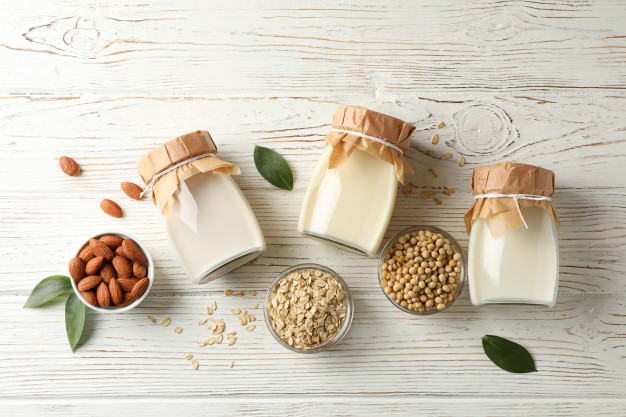
“น้ำเต้าหู้” เมนูโปรดของใครหลายคน เพราะนอกจากหาซื้อง่ายแล้ว ยังจัดเต็มด้วยคุณประโยชน์ดี ๆ ต่อร่างกาย และสำหรับใครที่ชอบดื่มเครื่องดื่มชนิดนี้ เรามีวิธีทำน้ำเต้าหู้แบบง่าย ๆ ที่สามารถทำเองได้ที่บ้านมาฝากกัน สูตรน้ำเต้าหู้ทำเองง่าย แบบไม่ต้องง้อร้าน อุปกรณ์ที่ต้องเตรียม ถั่วเหลือง ผ้าขาวบาง น้ำสะอาด น้ำตาลทราย เครื่องปั่นพลังสูง หม้อต้มขนาดกลาง ขั้นตอนการทำน้ำเต้าหู้ทานเอง เริ่มต้นที่การล้างถั่วเหลืองประมาณ 2-3 รอบ เพื่อให้มั่นใจเรื่องความสะอาด โดยระหว่างล้างอย่าลืมสังเกตว่ามีเมล็ดถั่วเหลืองเมล็ดใดที่ไม่สมบูรณ์ ซึ่งควรคัดออก เมื่อล้างถั่วเหลืองเสร็จเรียบร้อยให้แช่น้ำทิ้งไว้ 4-8 ชั่วโมง ถั่วเหลืองที่ผ่านการแช่จะพองตัว จากนั้นนำถั่วเหลืองใส่เครื่องปั่นพลังสูงตามด้วยน้ำสะอาด โดยหากใส่น้ำน้อย น้ำเต้าหู้ที่ได้จะมีความเข้มข้นมาก โดยขั้นตอนนี้สามารถทำหลายรอบได้ เพื่อให้ได้น้ำเต้าหู้ปริมาณที่ต้องการ กรองน้ำถั่วเหลือง โดยเทใส่ผ้าขาวบาง เพื่อกรองกากถั่วเหลืองออก นำน้ำถั่วเหลืองที่ได้ต้มในหม้อ เลือกใช้ความแรงไฟปานกลาง โดยระหว่างต้มควรคนเป็นระยะ เพื่อไม่ให้เกิดกลิ่นไหม้ นอกจากนี้ ใครที่ชอบรสหวานให้เติมน้ำตาลในขั้นตอนนี้ หรือหากต้องการลิ้มรสออริจินัลสุดเข้มข้นก็ไม่จำเป็นต้องใส่น้ำตาล เพื่อสุขภาพที่ดีต่อร่างกาย เมื่อต้มได้ประมาณ 20-30 นาที ให้รอจนน้ำเต้าหู้อุ่น ๆ จากนั้นบรรจุใส่ภาชนะที่เตรียมไว้ เพียงเท่านี้ก็ได้น้ำเต้าหู้สูตรเข้มข้นที่ได้จากฝีมือตัวเองแล้ว ประโยชน์ของน้ำเต้าหู้ต่อร่างกาย เพราะอะไรจึงควรดื่มเป็นประจำ […]
Read More